In 2025, 100% of employees received a performance appraisal
The Company recognizes that its employees are the foundation of success and the vital force driving the organization toward sustainable growth. In the context of a rapidly changing business environment, the Company prioritizes comprehensive human resources management. This encompasses fair and transparent labor practices, respect for human rights, and compliance with Thai labor laws as well as the United Nations Guiding Principles on Business and Human Rights (UNGPs).
The Company is committed to promoting the health, safety, and well-being of its employees in all dimensions covering physical, mental, and social, while fostering a safe working environment that enhances efficiency and supports a healthy work-life balance to enhance employee satisfaction and engagement.
In terms of Human Capital Development, the Company emphasizes attracting, developing, and retaining high-potential employees through continuous enhancement of skills, knowledge, and expertise. This enables employees to effectively adapt to and navigate changes in the economic, business, and technological landscape. The Company also strives to modernize its human resources management systems to ensure alignment with the evolving needs of employees across different generations.
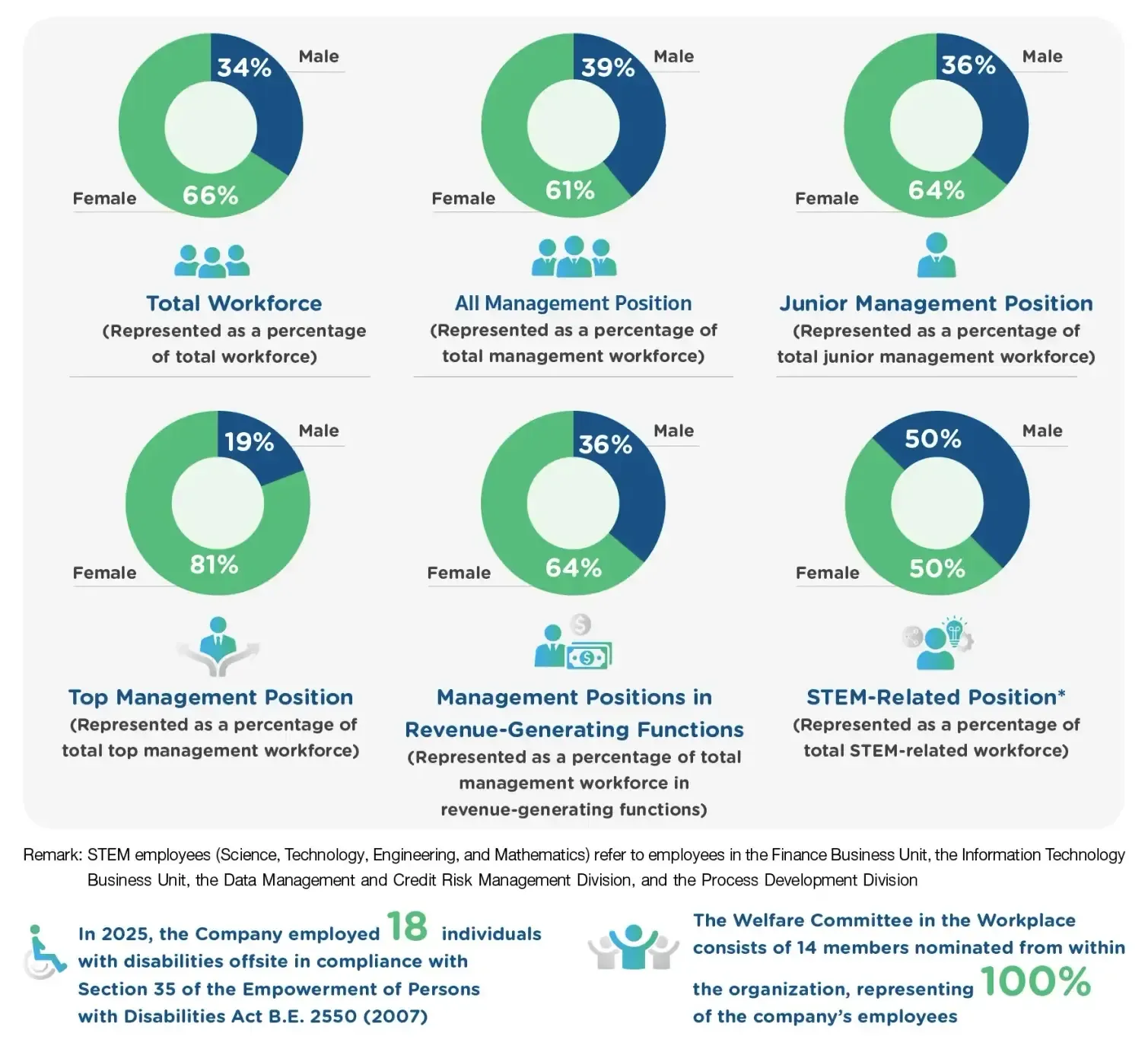
Additionally, the Company prioritizes Diversity, Equity, and Inclusion (DEI) by respecting human dignity, providing equal opportunities, and fostering a corporate culture that embraces differences. This enables all employees to fully realize their potential, leading to long-term value creation, strengthened competitiveness, and the stable and sustainable growth of the organization and all its stakeholders.
*Top management refers to the Chief Executive Officer (CEO) and all executives who directly report to the Chief Executive Officer according to the Company’s structure
Positive impacts: Effective human resources management enhances the organization’s capacity and performance by developing employee’s knowledge, skills, and competencies in alignment with business strategies and directions. This enables the Company to maintain competitiveness, reduce turnover-related costs, and strengthen long-term business continuity.
Negative impacts: Investment in employee development, human resource management systems, and various benefits may incur higher costs in the short term. Additionally, changes in Human Resource Management policy or organizational structures may affect operational continuity and require a period of adjustment for certain employees.
Positive impacts: Integrating environmental concepts into human resource management encourages eco-friendly work behaviors, such as efficient resource utilization and paper reduction.
Negative impacts: Certain human resource activities, such as centralized training sessions or corporate events, may lead to increased resource and energy consumption if not properly designed or managed with due consideration of environmental impacts.
Positive impacts: Responsible human resources management enhances employees’ quality of work life, well-being, and overall welfare. It supports equality, diversity, and non-discrimination in the workplace, while providing opportunities for employees to express their views and contribute to organizational development. This fosters a strong corporate culture that supports sustainable operations.
Negative impacts: Inadequate communication of policies or inconsistent enforcement of human resource measures may lead to perceptions of unfairness, dissatisfaction, or stress among certain groups of employees.
Positive impacts: Human resource management grounded in human rights principles helps safeguard employees’ fundamental rights, such as the right to fair compensation, safe working conditions, personal data protection, and respect for human dignity.
Negative impacts: Insufficient oversight or monitoring may pose risks of labor rights violations, discrimination, or unfair treatment of employees.
The Company has established policies and regulations related to human resources management, such as the Human Resources Management Regulations and the Code of Conduct, to serve as operational guidelines for employees. These cover matters ranging from employment, rights, duties, and benefits to business ethics, with an emphasis on compliance with human rights and labor laws, non-discrimination, and standards of conduct toward employees. They also include guidelines for the continuous development of personnel to ensure that workforce management and development are aligned with applicable laws and regulatory requirements. In addition, the Company conducts workforce planning to meet business needs, formulates strategies to attract talented individuals, and regularly reviews compensation and benefits structures under the supervision of the Human Resources business unit to ensure they are appropriate and competitiveness in the labor market. The guidelines are as follows:
The Company is committed to promoting fair employment by adhering to the human rights principle, equality, and non-discrimination throughout every stage of the human resources management process from workforce planning, recruitment, and selection to hiring. Candidates are primarily evaluated based on their qualifications, experience, knowledge, and competencies relevant to the requirements of the position. The Company does not consider status unrelated to job performance, such as race, religion, sex, gender identity, age, political opinions, social status, sexual orientation, disability, origin, or social standing. The Company does not tolerate child labor, forced labor, or any form of illegal labor. In addition, the Company supports local hiring in the areas where it operates to create economic opportunities, distribute income, and strengthen surrounding communities as part of its socially responsible business practices.
The Company places importance on managing compensation and benefits based on fairness, equality, and competitiveness in the labor market. Compensation is determined by job-related factors such as nature of work, responsibilities, expertise, and performance under the “Equal Pay for Equal Work” concept, ensuring that employees with the same level of responsibility receive equal remuneration. The Company also monitors and analyzes gender pay gaps and regularly reviews its compensation structure to ensure alignment with labor market conditions and applicable labor protection laws. Appropriate benefits are provided to promote employees’ quality of life and job security.
Furthermore, the Company demonstrates its commitment to implementing fair employment practices across its business operations and activities and encourages suppliers and business partners to be aware of and implement this principle. Thus, the Company established the Supplier Code of Conduct and Confidentiality Agreement for its suppliers. The guideline stipulates the following requirements where suppliers are obligated to acknowledge and comply with the scope and guidelines covering the following fair employment topics such as human rights and labor, business ethics and legal compliance, occupational health and safety in the workplace and confidentiality protection.
The Company places importance on promoting Diversity, Equity, and Inclusion (DEI) by treating all employees fairly, respecting human dignity, and upholding human rights principles in all dimensions. The Company has zero tolerance for any form of discrimination, including sexual harassment and non-sexual harassment, including origin, gender identity, race, nationality, rights, religion, beliefs, political opinions, social status, sexual orientation, age, disability, social standing, or any other personal characteristics unrelated to job performance. This includes providing equal opportunities for employment and career advancement, freedom of association and collective bargaining, and fostering communication and consultation between employees and the organization to create an open, safe, and collaborative work environment for a diverse workforce.
The Company provided comprehensive benefits and privileges for all employee groups, including LGBTQIAN+ employees, through its “Life Partner Benefits,” which grant rights equivalent to spousal benefits. These include marriage welfare grants for same-sex life partners equivalent to those provided to legally married spouses, as well as health insurance coverage for life partners, including medical treatment and death benefits, on the same basis as legal spouses.
In addition, the Company has regularly engaged with worker’s representatives by establishing a Welfare Committee in the workplace to represent employees in discussing, suggesting, and jointly considering welfare arrangements and working conditions with the employer. This ensures that employees receive fair rights, strengthen engagement, and continuously promote employee well-being.
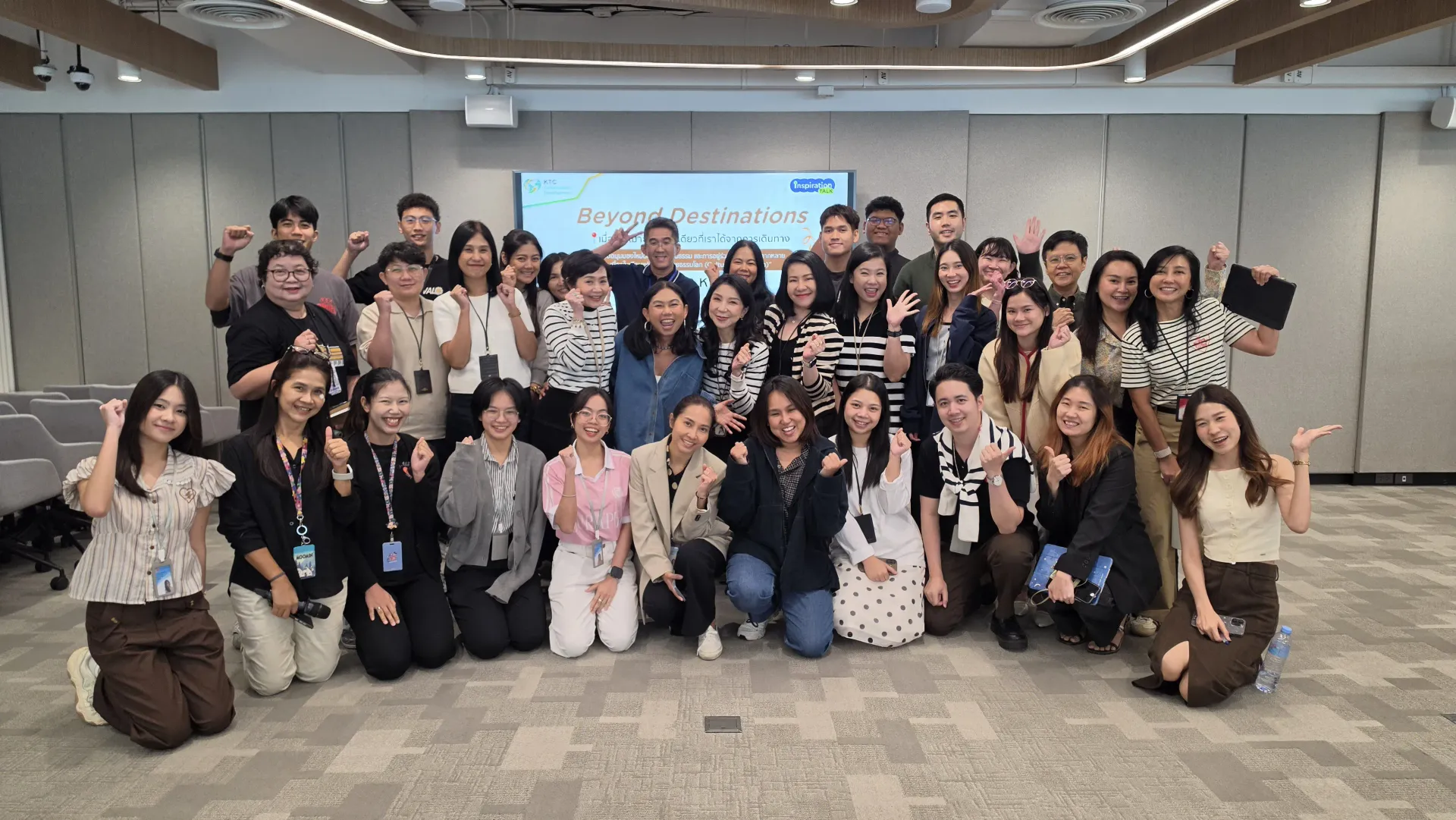
Inspiration Talk: “Beyond Destination: When the Journey Offers More Than Just a Destination” by Kanchana Hongthong
The company promotes cultural education and openness to diverse cultural perspectives through an Inspiration Talk delivered by Kanchana Hongthong, who shared stories and experiences from her travels that broadened participants’ horizons and inspired new perspectives. The initiative was designed to enhance employees’ awareness, understanding, and respect for different cultural backgrounds, practices, and perspectives, which serve as an important foundation for fostering an open and inclusive environment and supporting sustainable growth.
The Company implements a systematic and transparent recruitment and selection process to attract individuals whose knowledge, competencies, and attitudes align with the organization’s values and goals. This is integrated with a continuous development and learning system to enhance employee capabilities at every stage of their careers, from new employee orientation and functional training to the development of skills necessary for future growth. Furthermore, the Company prioritizes motivating and retaining talent through appropriate benefits and compensation, clearly defined career paths, and a work environment that supports learning, collaboration, and work-life balance. These efforts strengthen long-term employee engagement and satisfaction.
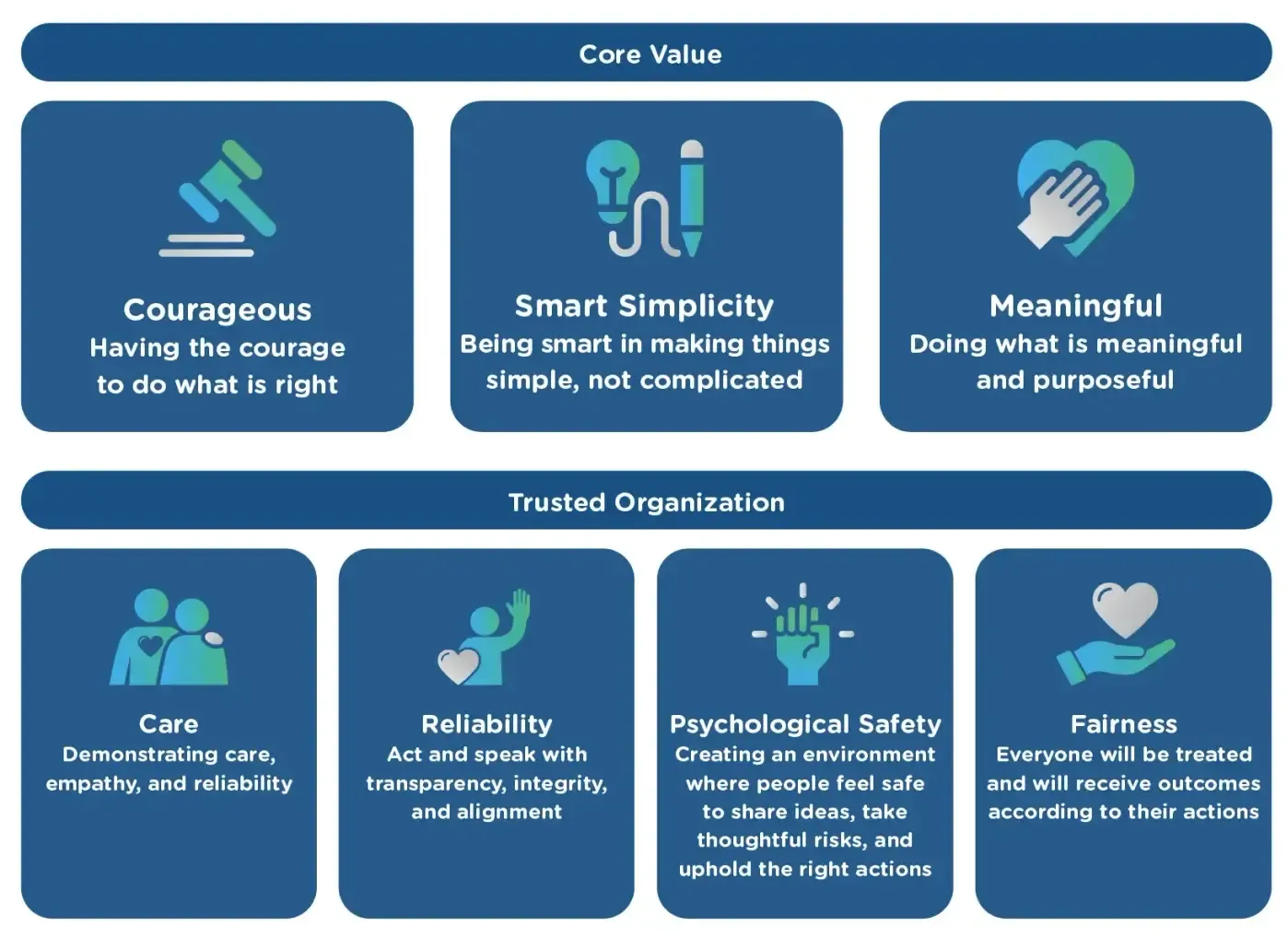
The Company is committed to fostering a corporate culture founded on trust (Trusted Organization), driven by its core values, which are embedded in the DNA of every employee. This culture is reflected through transparent management, open communication, mutual respect, and providing employees with opportunities to express their views and participate in work-related decision-making. These approaches enhance trust, engagement, and pride in being part of the organization, leading to the retention of quality talent and supporting sustainable business operations in the long term.
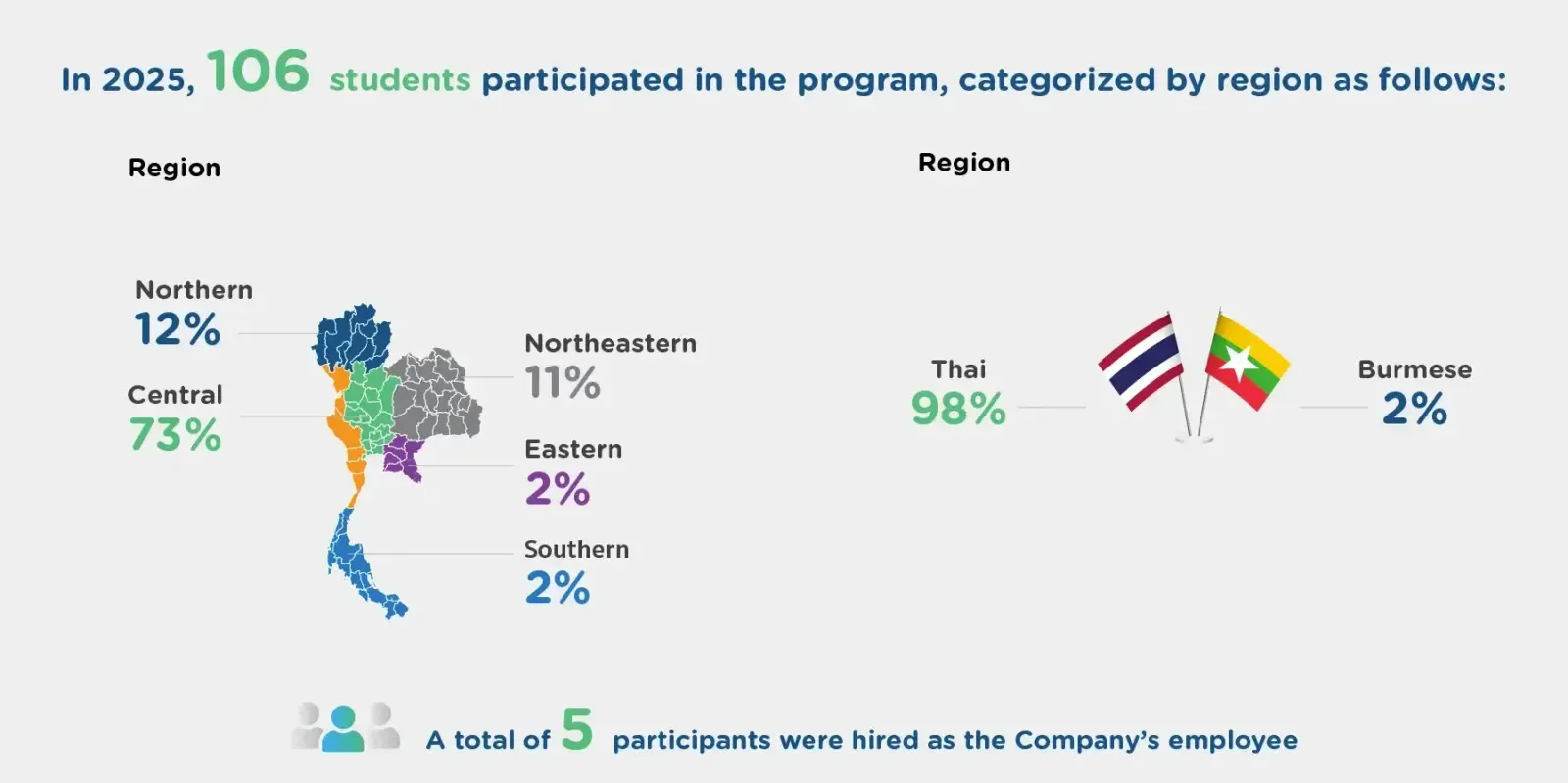
The Company recognizes the importance of youth as a key driving force in the future development of the country and society. It therefore remains committed to continuously supporting and developing students’ potential through the Cooperative Education Program (KTC COOP), which builds upon the KTC Learn & Earn initiative. The program provides opportunities for students from various universities to undertake internships within the organization, enabling them to gain practical work experience, develop essential skills, and prepare for their professional careers. Students are supervised by mentors who provide advice, transfer knowledge, and monitor performance throughout the internship period. They also participate in the Company’s learning curricula, such as credit card business, personal loans, auto loans, as well as self-development courses like growth mindset and financial literacy. Throughout the duration of the program, more than 4,048 students have participated, with 324 subsequently hired as full-time employees.
The Company is committed to the continuous development of employees’ skills and knowledge to ensure alignment with their roles and responsibilities, as well as the evolving landscape of the financial services industry. An annual learning and development plan is established, focusing on reskilling and upskilling across key competencies, including both technical and social/emotional skills (Hard Skills & Soft Skills) such as digital and technology skills, risk management, data analytics, customer service, strategic thinking, communication, and human resources management. Furthermore, the Company fosters a strong learning culture throughout the organization to ensure that employees are prepared for change, remain agile, and sustain a competitive advantage in the long term.
Human Capital Development Performance

The Company has launched the KTC e-Library, a free online library offering book borrowing services, including titles recommended by management to support continuous self-development. The Company encourages employees to participate in diverse learning processes tailored to their individual needs by adopting a Blended Learning approach based on the 70:20:10 principle, which consists of:
In 2025, the Company organized training programs for all employees, including permanent and contractual staff, covering various topics such as enhancing digital and data analytics skills, developing leadership capabilities and a coaching culture, promoting knowledge of human rights and equal treatment within the organization, strengthening understanding of ESG and sustainable organizational development, and advancing the capabilities of high-potential employees. These initiatives aim to prepare the workforce to drive strategic execution and adapt to long-term business changes.
The Company continuously organizes Power BI and Power Automate training programs conducted by external experts in workshop and lecture formats to enhance employees’ data analytics and automation capabilities in alignment with digital-era operations, with support from the Operations Control and Merchant Operations business unit. In 2025, the scope of the program was expanded to include Power Automate Desktop and Power Apps, covering database management, process automation development, and low-code/no-code application design to improve efficiency, reduce errors from repetitive tasks, and strengthen advanced capabilities in developing dynamic reports and practical workplace applications.
A total of 185 persons participated in the program. The training achieved an average satisfaction score of 9.4 out of 10
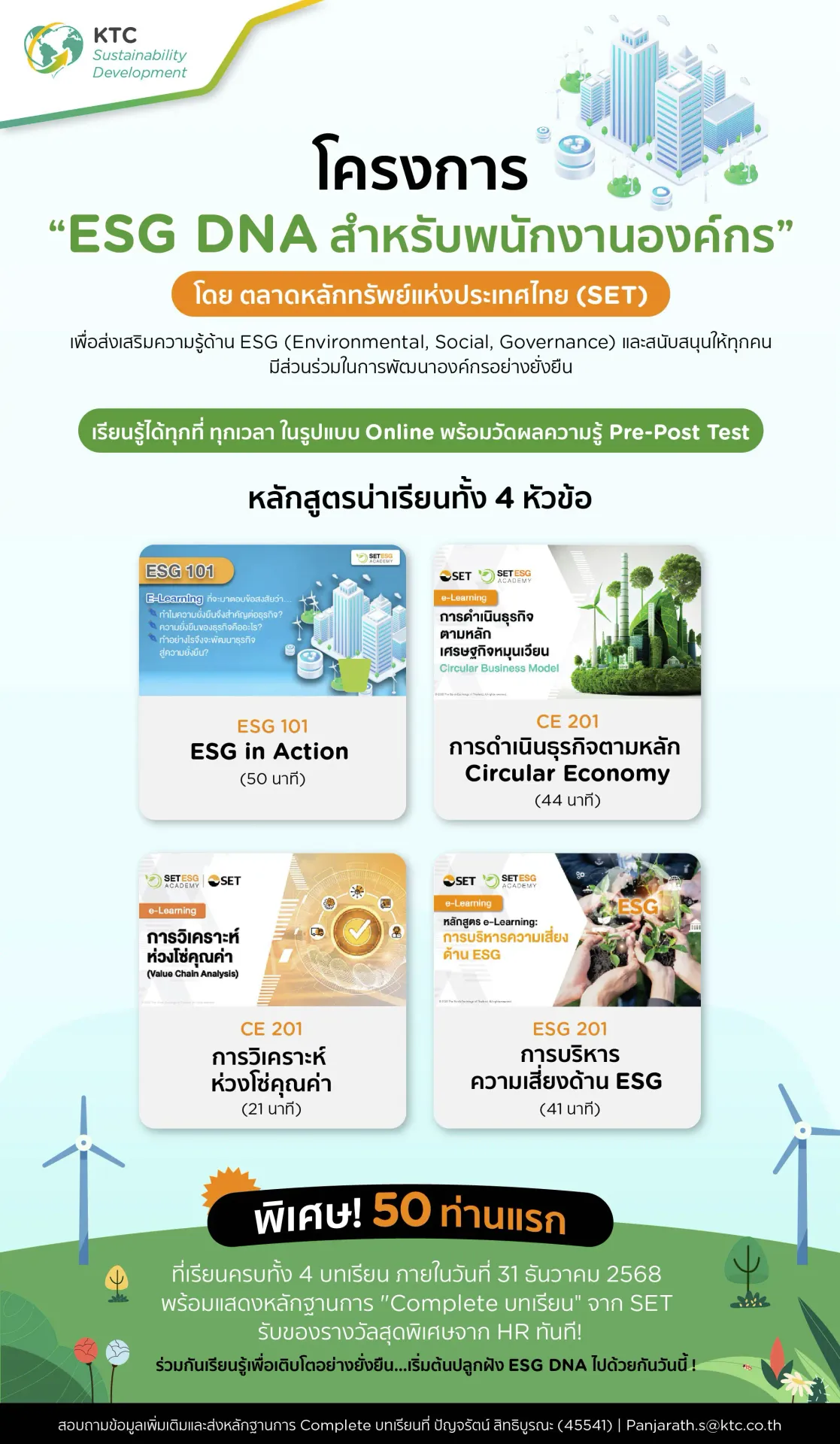
The Company has developed the ESG DNA course as a self-paced online learning program to enhance knowledge and understanding of Environmental, Social, and Governance (ESG) principles among employees at all levels. This initiative aims to foster engagement in driving the organization toward sustainability. The course covers key topics, including the practical application of ESG concepts, circular economy principles, supply chain analysis, and ESG risk management. This enables employees to integrate ESG principles into their daily work, strengthen an organizational culture aligned with international standards, and enhance the Company’s long-term competitiveness. Ultimately, the program serves as a critical foundation for building stakeholder confidence and supporting the Company’s sustainable growth.
A total of 20 persons participated in the program
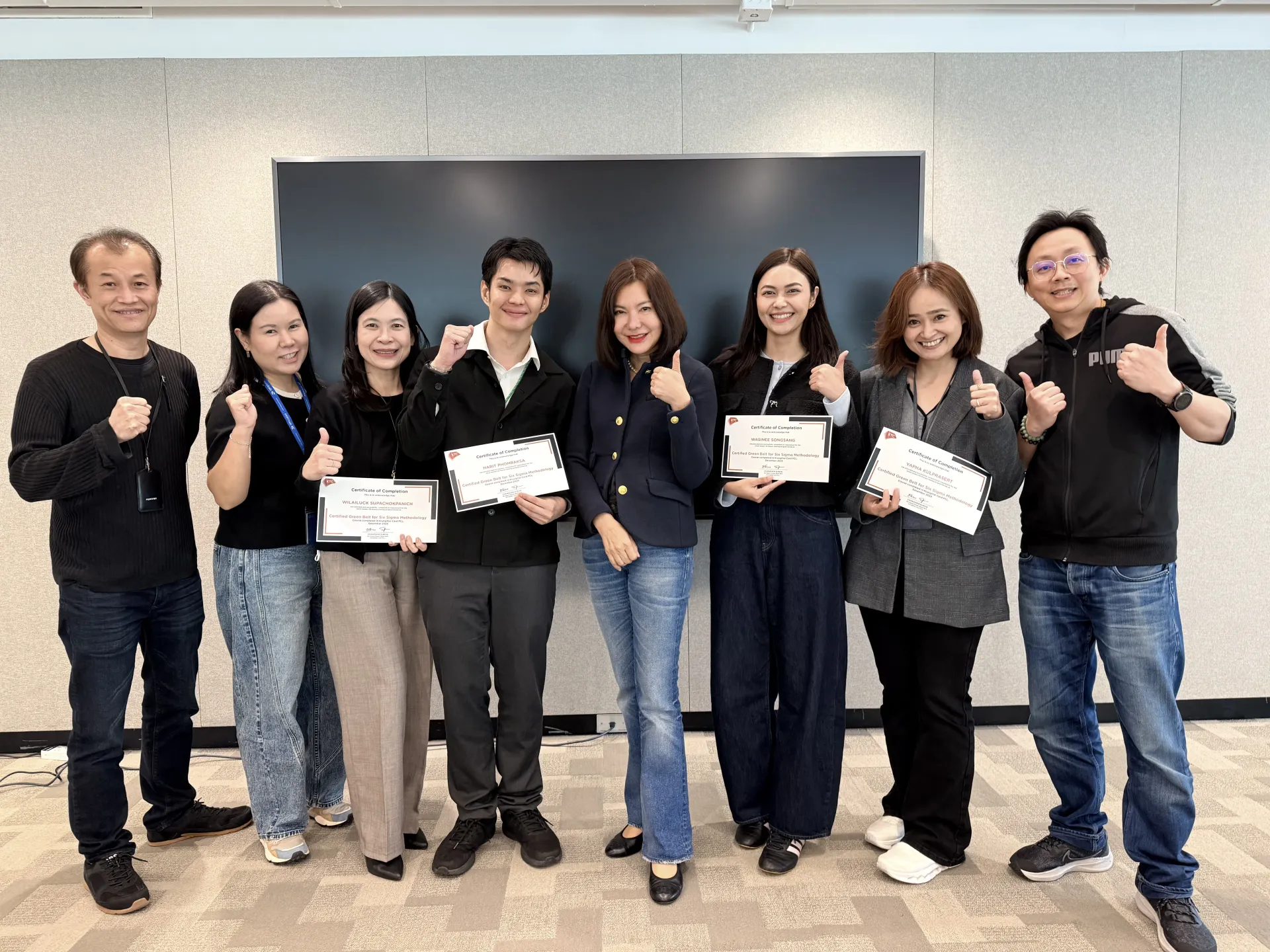
The Company continues to enhance workforce potential through the Six Sigma Green Belt training program, now in its third generation. The program is designed to enhance participants’ understanding of internationally recognized Six Sigma methodologies for process improvement, enabling greater efficiency, defect reduction, and improved operational quality. Participants are required to develop and present process improvement projects aligned with the Company’s strategic objectives. Upon successful completion, they receive certification, reflecting both individual achievement and the Company’s commitment to continuous talent development.
The benefits of the program include:
A total of 6 employees participated in the program. The training achieved an average satisfaction score of 9.6 out of 10
The Company has implemented a Leadership Development Program to ensure continuity in strengthening employee capabilities, with a focus on enhancing managerial competencies and visionary leadership skills. The program aims to equip leaders with the ability to drive the organization toward sustainable success, preparing next-generation leaders to navigate emerging challenges, build strong teams, and foster a culture that supports continuous growth.
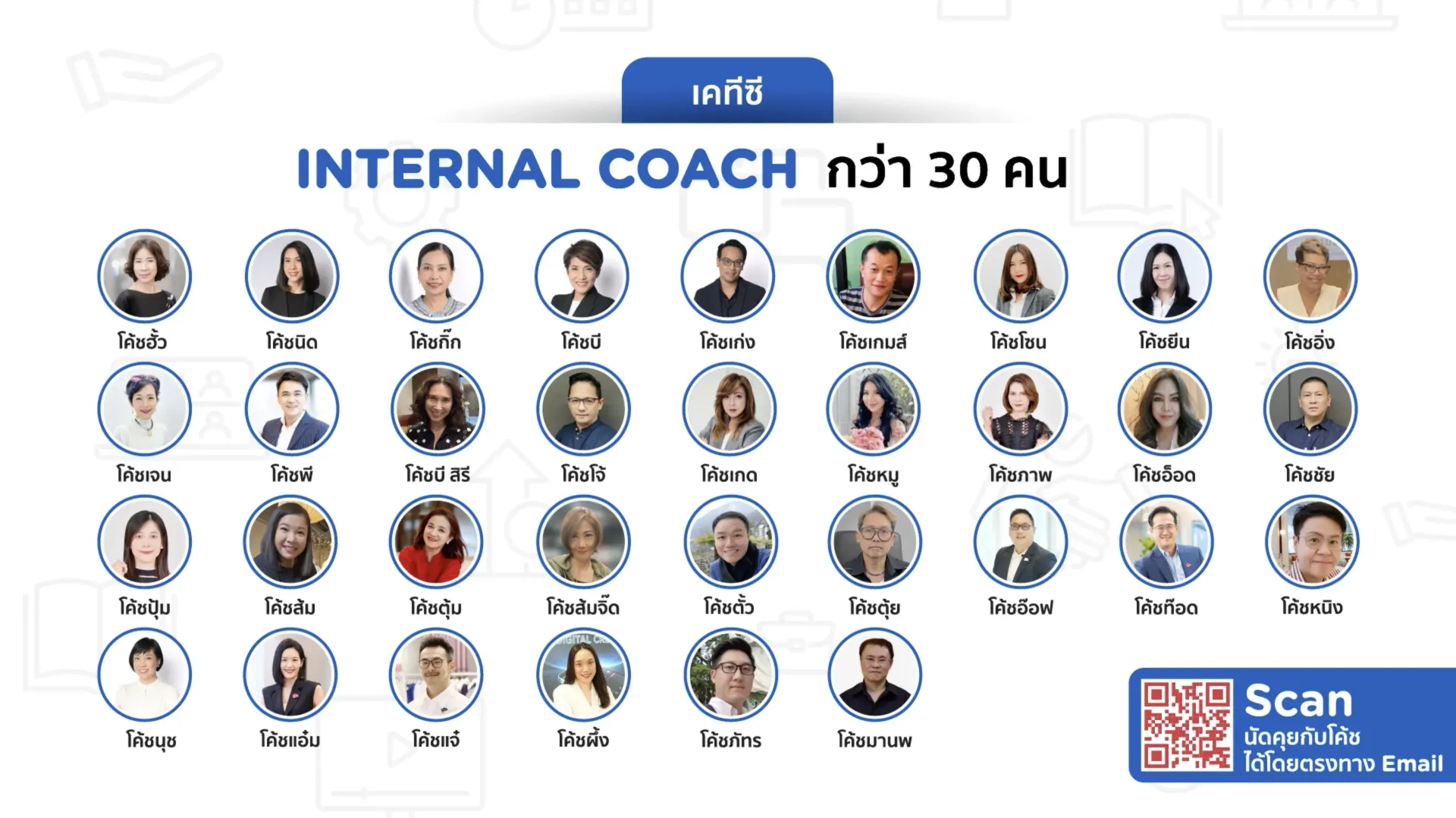
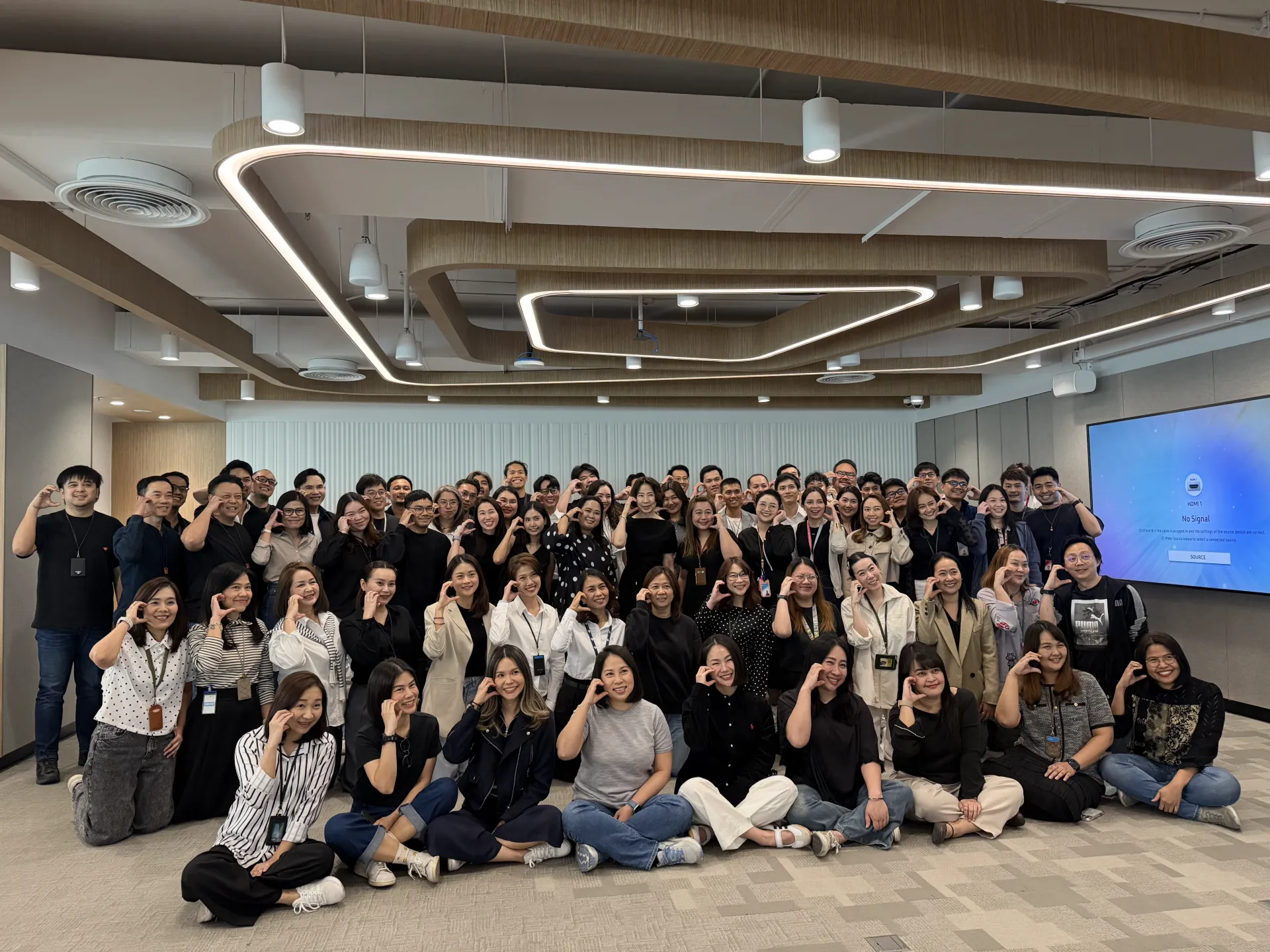
The Company promotes the KTC Coaching Culture to elevate the organization into a sustainable learning organization. Coaching is adopted as a key tool to enhance the capabilities of employees at all levels, emphasizing self-discovery, accountability in achieving work goals, and cultivating a growth mindset aligned with organizational development. The coaching approach is designed as a learning process that encourages employees to think critically, analyze situations, and take action independently, enabling holistic capability development aligned with the Company’s strategic objectives. This reflects the Company’s commitment to human capital development, fostering a culture of continuous learning, and strengthening workforce readiness to drive long-term, sustainable organizational success.
A total of 34 persons participated in this the programs
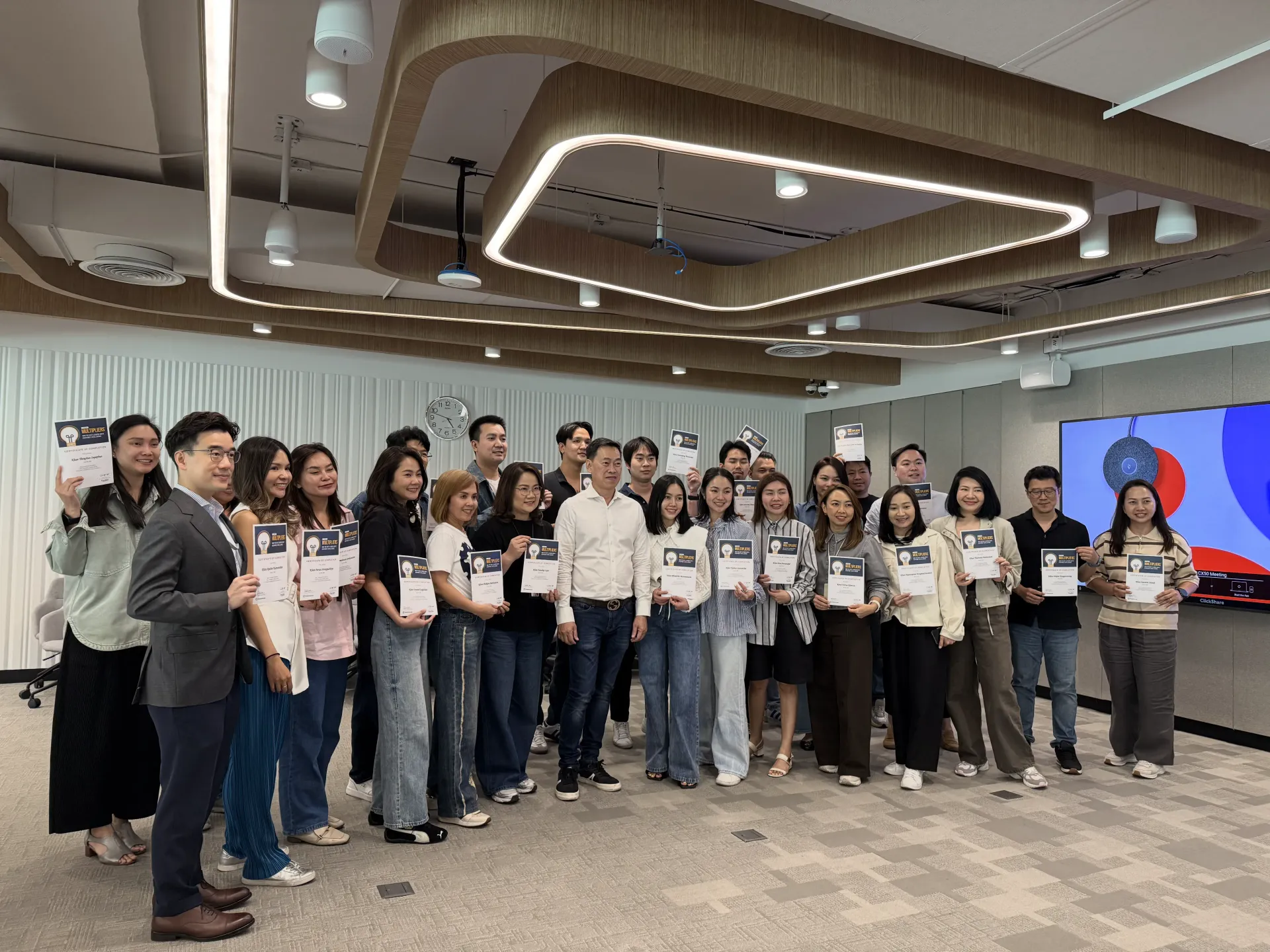
The Company established the Multiplier Leadership Program to strengthen the leadership capabilities of executives, supervisors, and team leaders. The program focuses on enhancing managerial competencies and visionary leadership skills. The curriculum is designed to enable participants to become “Multipliers” - leaders who amplify the potential of others while recognizing and avoiding “Diminisher” behaviors that may unintentionally limit team performance. The program integrates key leadership concepts, practical exercises, and the application of tools that can be directly implemented in team management. Through this initiative, leaders are encouraged to adjust their roles and behaviors to create opportunities, support team development, and foster motivation and effective collaboration. The program reflects the Company’s commitment to developing strong leaders, cultivating an organizational culture that promotes learning and growth, and driving long-term sustainable success.
A total of 25 persons participated in the program
The Company has implemented the Talent Program since 2024 to develop and enhance the capabilities of high-potential employees from all business units. The program focuses on practical learning and skill development that can be applied and extended in real work settings, preparing participants to respond effectively to business changes through collaborative learning within teams and across the organizational network. External experts are invited to provide additional knowledge, and group-based activities are organized to jointly develop projects, with each group comprising employees from diverse functions to promote engagement and effective cross-functional collaboration. In 2025, the program was further developed through a special project under the concept “Avengers: Power of Communication,” featuring a business project pitching activity presented to the Management & Sustainability Committee. The initiative aimed to strengthen communication skills, teamwork, and strategic thinking. Participants were organized into 10 cross-functional teams to integrate their diverse expertise and capabilities in proposing new initiatives that support business expansion while reducing costs, enhancing efficiency, and increasing process agility. This reflects the Company’s commitment to developing next-generation leaders, fostering internal innovation, and strengthening human capital to support long-term sustainable growth.
A total of 97 persons participated in the program
Total Training Hours (Total Time as Company) 157,624 Hours
Average Training Hours per Employee 86.37 hours/person/year
The Company places strong emphasis on continuously promoting employee growth and capability development. Employees are provided with opportunities to rotate or transfer to positions aligned with their skills, competencies, and career aspirations. This is supported by a structured and transparent Performance Management System, implemented systematically throughout the year to ensure alignment between individual performance and the Company’s goals and strategies. Type of Performance Appraisal as follows:
The Company conducts continuous performance monitoring throughout the year to support ongoing development and performance improvement. Evaluation results are ranked using the Bell Curve Model and serve as key inputs for salary adjustments, bonuses, and promotions. This approach aims to enhance motivation, ensure fairness, and support the sustainable development of employee capabilities over the long term.
The Company is committed to creating a positive working environment and supporting employees’ quality of life by providing a wide range of benefits designed to promote stability, safety, and well-being at work. These benefits also aim to enhance employee motivation and engagement with the organization. The key areas of employee benefits are as follows:
Flexible Working Hours are implemented to enable employees to effectively balance their professional and personal lives while mitigating the impact of traffic congestion. To enhance operational efficiency, the Company provides opportunities for employees to adjust their start and finish times based on their specific job functions and personal commitments. Employees may select from three available starting times: 08:00 a.m., 08:30 a.m., or 09:00 a.m.
The Company provides a safe workplace environment, including common areas designed to allow employees to relax and change their working atmosphere freely. This helps reduce workplace stress and supports overall well-being.
Moreover, the Company expand social protection coverage for workers beyond public programs for all employees, such as
The Company provides a Provident Fund managed by fund managers who adhere to the Investment Governance Code (I-Code), ensuring responsible and transparent investment practices. Additionally, the Company offers emergency financial assistance and statutory benefits in accordance with labor laws, such as Social Security and the Workmen’s Compensation Fund.
The Company actively supports activities that promote physical and mental well-being while strengthening teamwork and unity within the organization. These include sports events such as the KTC Badminton Championship 2025 and the KTC Soccer Cup 2025. Additionally, the Company provides relaxation massage sessions to help relieve fatigue and reduce office syndrome symptoms. These services are delivered by visually impaired therapists from the National Institute for the Blind. Such programs aim to help employees manage workplace stress and improve their overall mental well-being.
The Company encourages employees to prepare for retirement through a flexible and diversified Provident Fund scheme. It also promotes financial literacy and tax planning to help employees effectively prepare for retirement. Upon retirement, employees are entitled to benefits such as statutory severance pay, provident fund savings, and retirement recognition awards.
The company recognizes the importance of a Transition Program for Retiring and Terminated Employees in supporting employees through their transition to a new stage of life. The program is designed to provide comprehensive preparation, reflecting the company’s commitment to promoting lifelong learning, financial security, and continued social engagement.
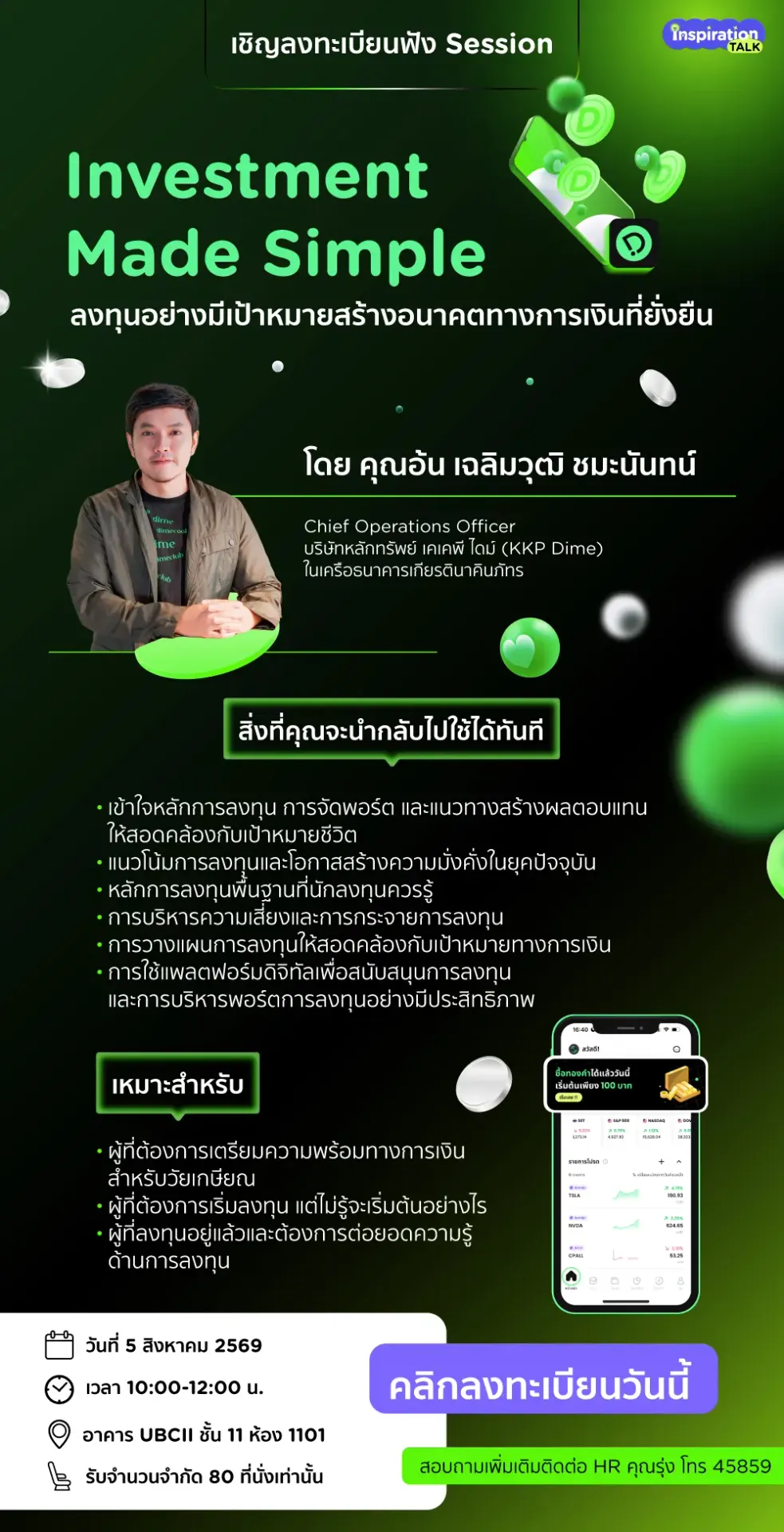
In collaboration with KKP Dime Securities Company Limited, a member of Kiatnakin Phatra Bank, the company organized the “Investment Made Simple” program to enhance knowledge and skills in retiring and terminated employees financial planning, as well as investment fundamentals for beginners and those seeking to further develop their investment knowledge. The course covered key areas including financial management, investment planning, risk management, career preparation, and quality-of-life management, encompassing both physical and mental well-being.
The program aims to help participants plan for their future with confidence, achieve financial security, and transition into the next chapter of their lives in a meaningful and sustainable way. A total of 126 employees participated in the program.
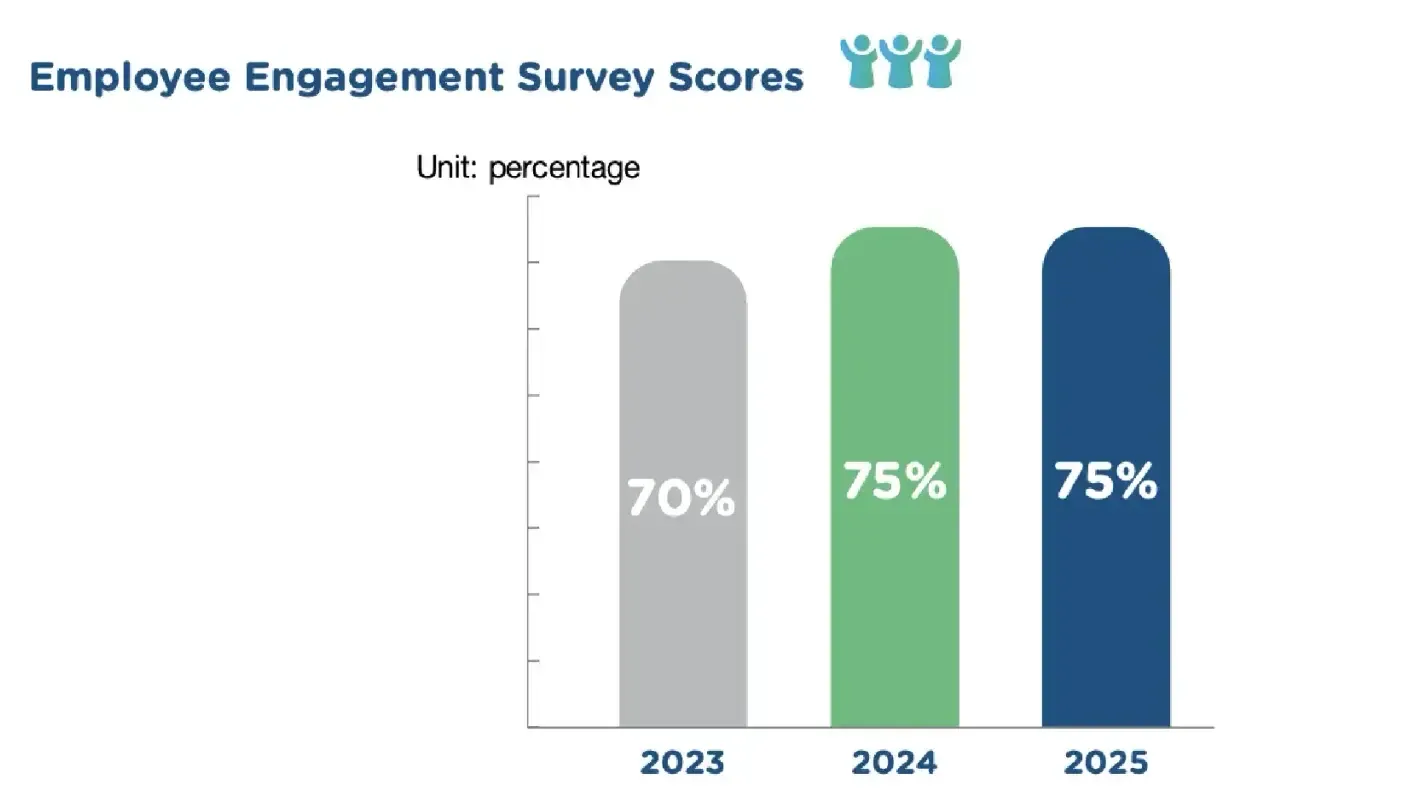
The Company places strong emphasis on building and maintaining Employee Engagement as a key driver of work performance, business continuity, and sustainable organizational growth. An employee engagement survey is conducted annually to systematically assess employees’ satisfaction levels, attitudes, and commitment to the organization. The survey covers five key dimensions: Leadership, Focus on Talents, Organizational Agility, Fundamentals, and Work, along with an assessment of engagement across three core dimensions:
Furthermore, the survey includes open-ended questions to provide employees with an opportunity to honestly reflect their opinions, suggestions, and areas for further organizational development. The Company analyzes and transparently communicates the survey results to employees annually. The findings serve as critical inputs for enhancing human resource management strategies, improving the working environment, and strengthening an organizational culture that fosters participation, engagement, and sustainable employee growth.